TRUE CRIME SERIES

“The Dark Speaks Here”

MISSION & ANALYSIS

In our True Crime Series, we meticulously analyze both high-profile cold cases and solved mysteries. Our approach goes beyond storytelling; we dissect the psychological impact of these events using scientific evidence and reconstruct criminal profiles through the lens of forensic science and expert psychiatric evaluations.

Every case featured is a documented real-world event. Our team reaches these forensic reports and expert insights through extensive research and dedicated investigation, ensuring each chapter provides an unparalleled depth of truth.

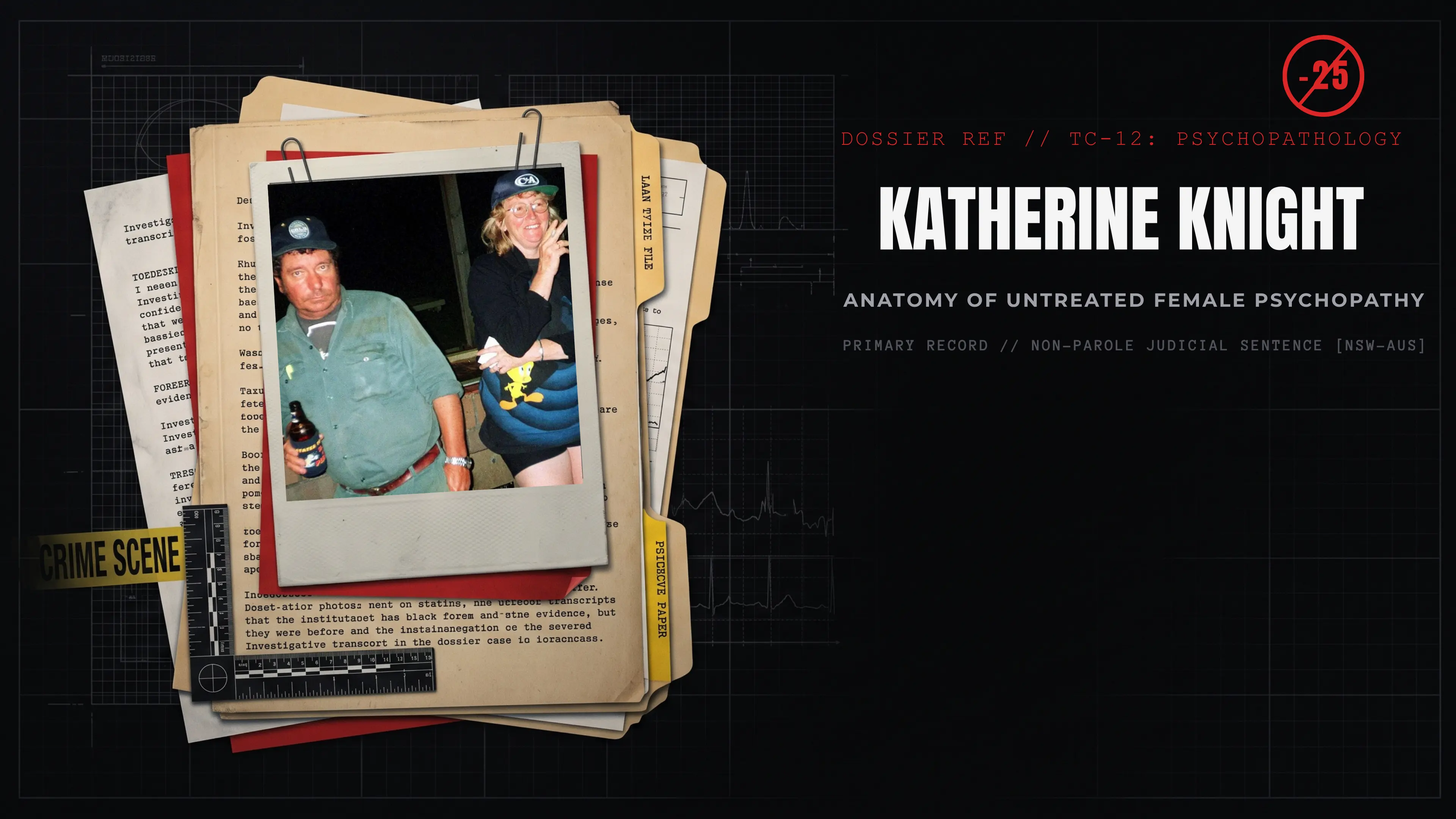
KATHERINE KNIGHT // ANALYSIS
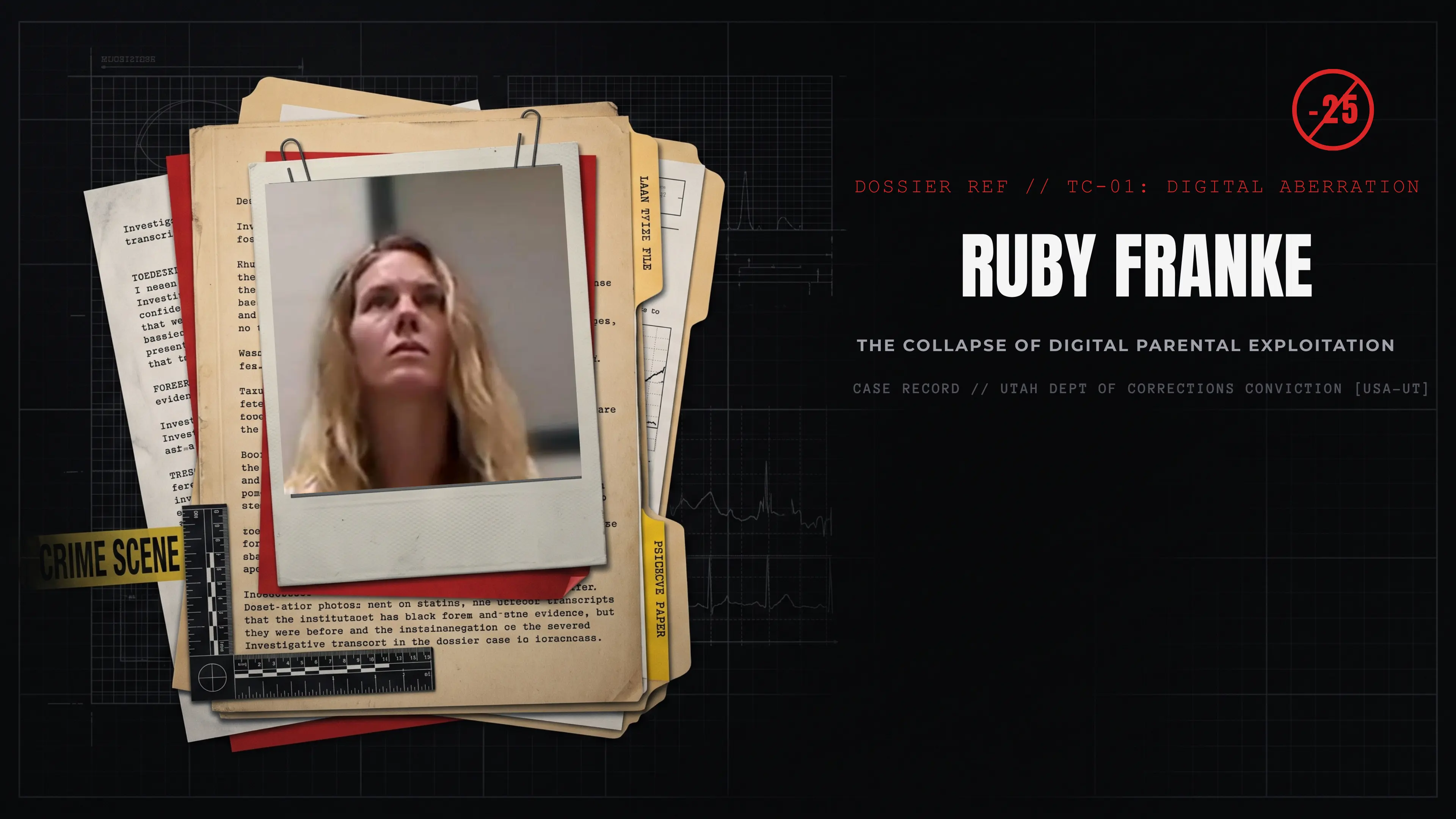
RUBY FRANKE // ANALYSIS
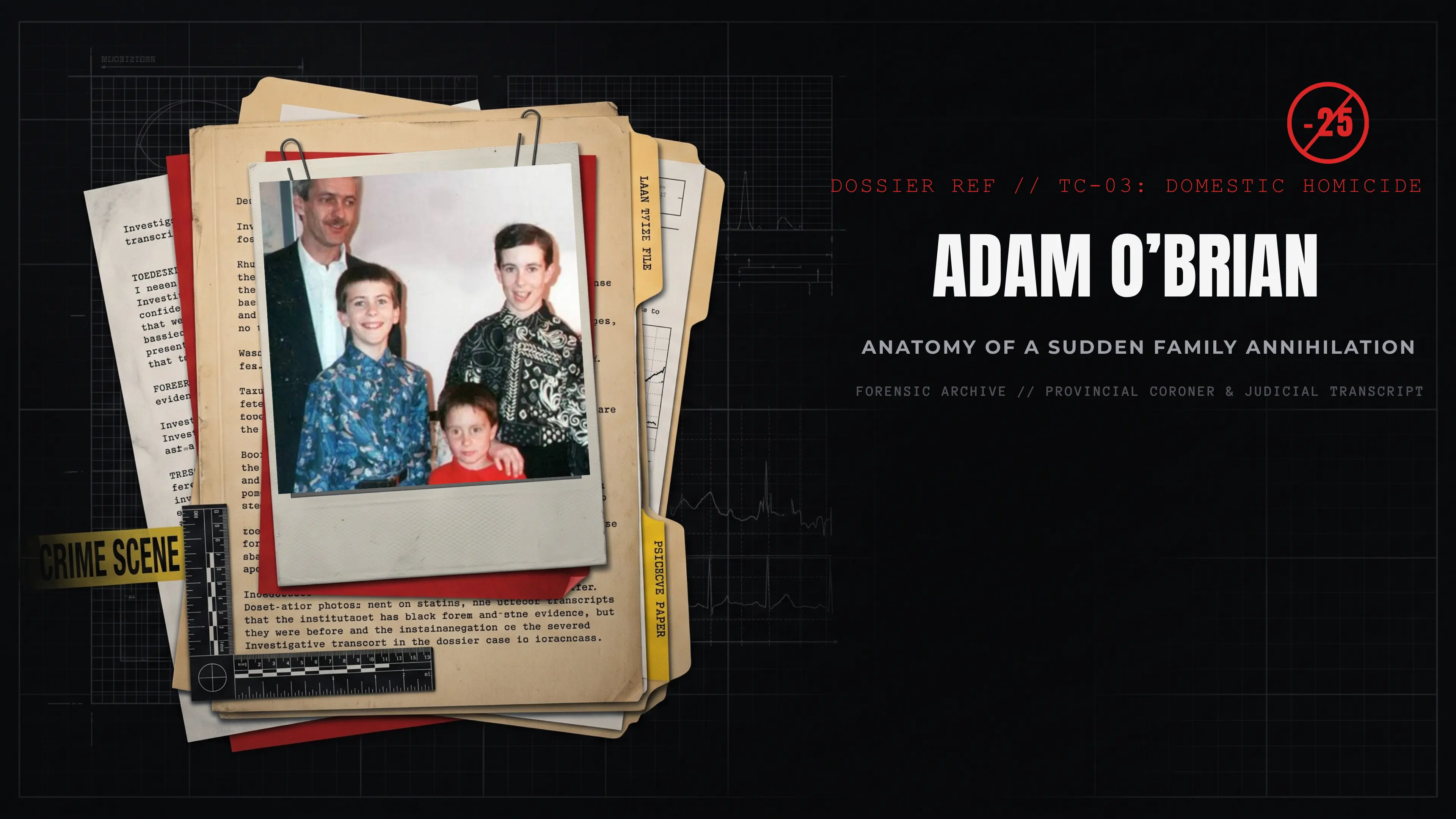
ADAM O'BRIAN // ANALYSIS
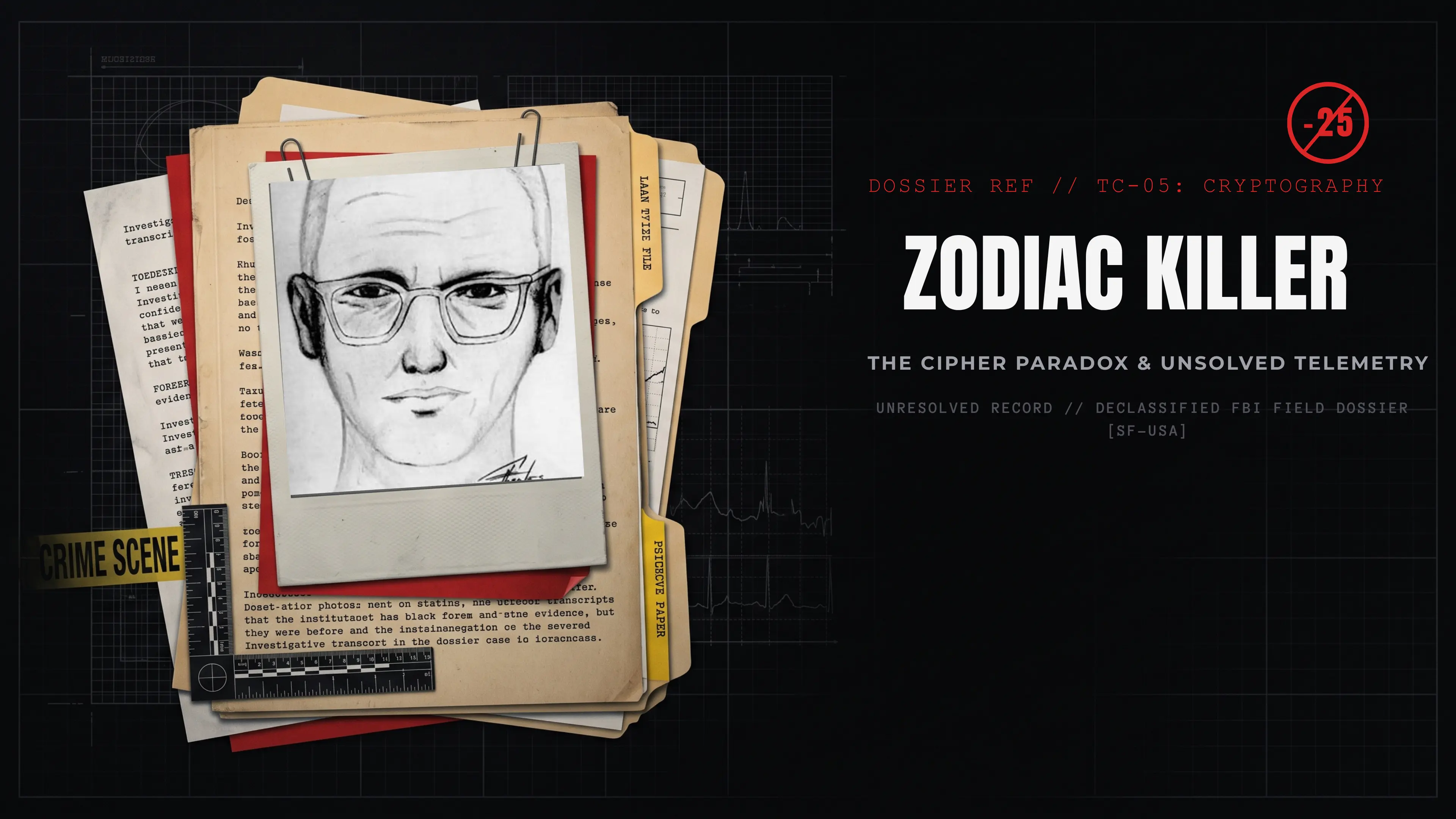
ZODIAC SERIAL KILLER // ANALYSIS

Katherine Knight is one of the most shocking psychopathy cases in forensic history, leaving criminal profilers around the world at a loss for answers. Seasoned detectives were forced to ask themselves a question they had never faced before: “What would I do if I encountered a case like this?” Approximately 90% of forensic specialists and expert psychiatrists agreed that Knight was untreatable — because all evidence confirmed she was fully conscious and entirely aware of her actions at the time of the crime.

Ruby Franke is the defining case of a disturbing content trend: parents who turn their families into digital showcases for social media fame. The rate of parents exploiting their children for online content has increased by 300% over the past decade. In child abuse and neglect cases, the primary perpetrator is the mother figure in approximately 40% of severe neglect cases — a statistic that Franke's conviction brought into sharp public focus.

Some people leave behind a legacy — others leave only a void. The O'Brian brothers' case goes beyond a physical disappearance; it documents the psychological collapse of a family, a community, and the human mind when confronted with absolute uncertainty. Previously covered by CBC News and Global News, The Unseen Chapters examines the invisible psychological wreckage this case left behind.

Although the Zodiac Killer claimed 37 victims, only 5 murders were officially confirmed by police — yet the psychological terror he engineered outlasted any single attack. Unlike classic serial killers driven purely by violence, Zodiac fed on being seen: his encrypted letters to authorities were not confessions but performances, reflecting a deeply narcissistic personality compelled to dominate and humiliate.

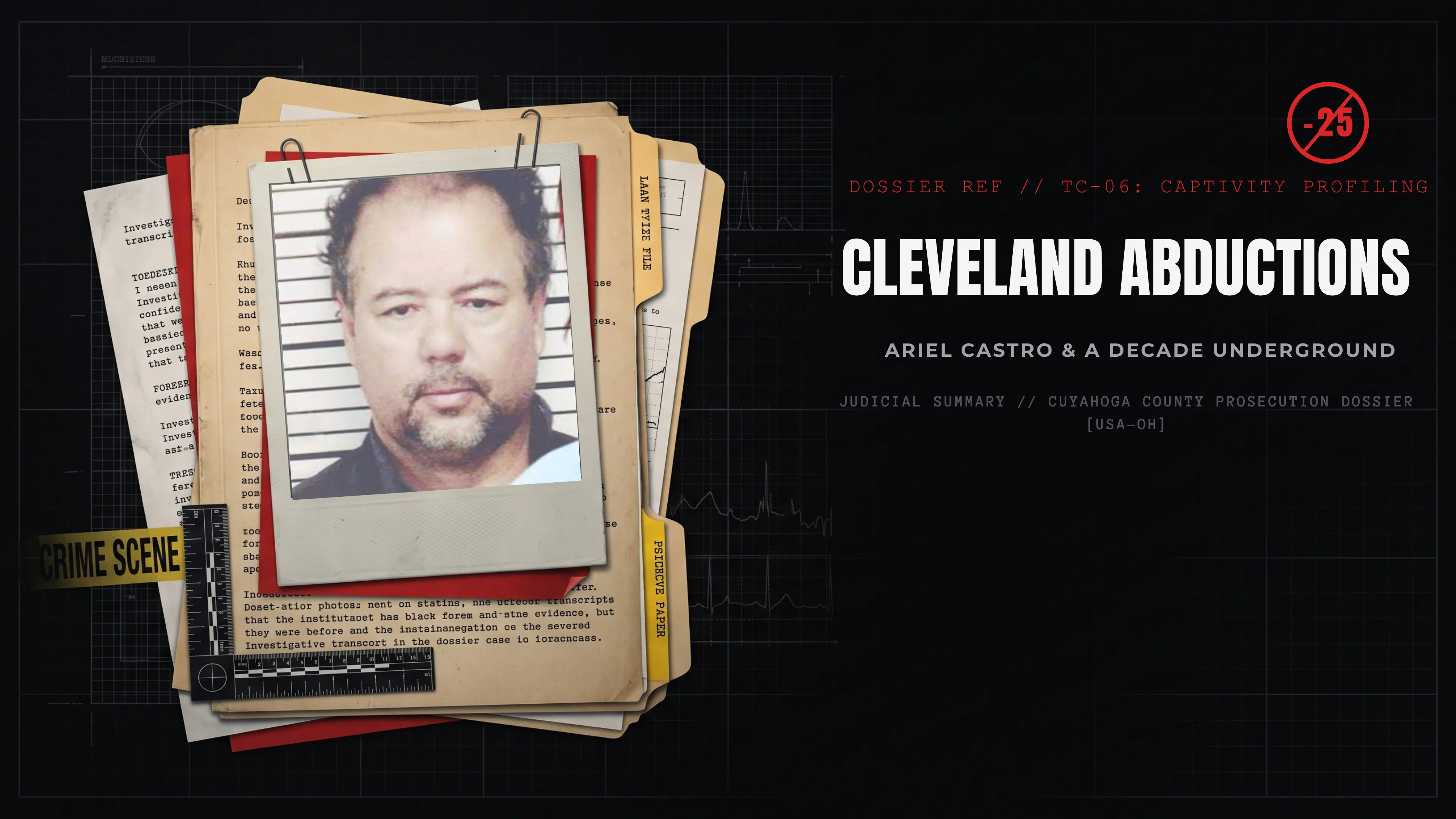
CLEVELAND KIDNAPPINGS // ANALYSIS
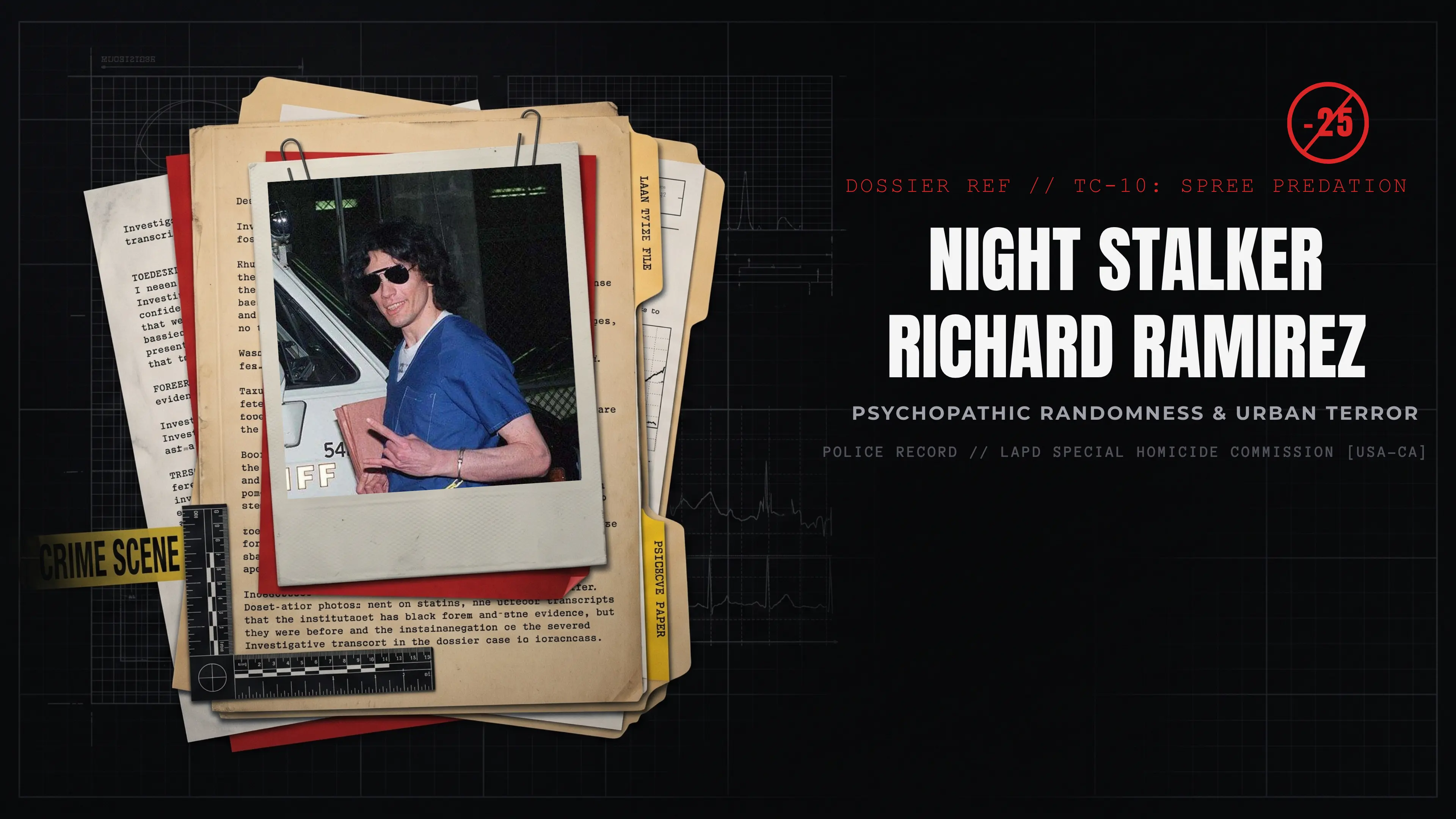
NIGHT STALKER // ANALYSIS
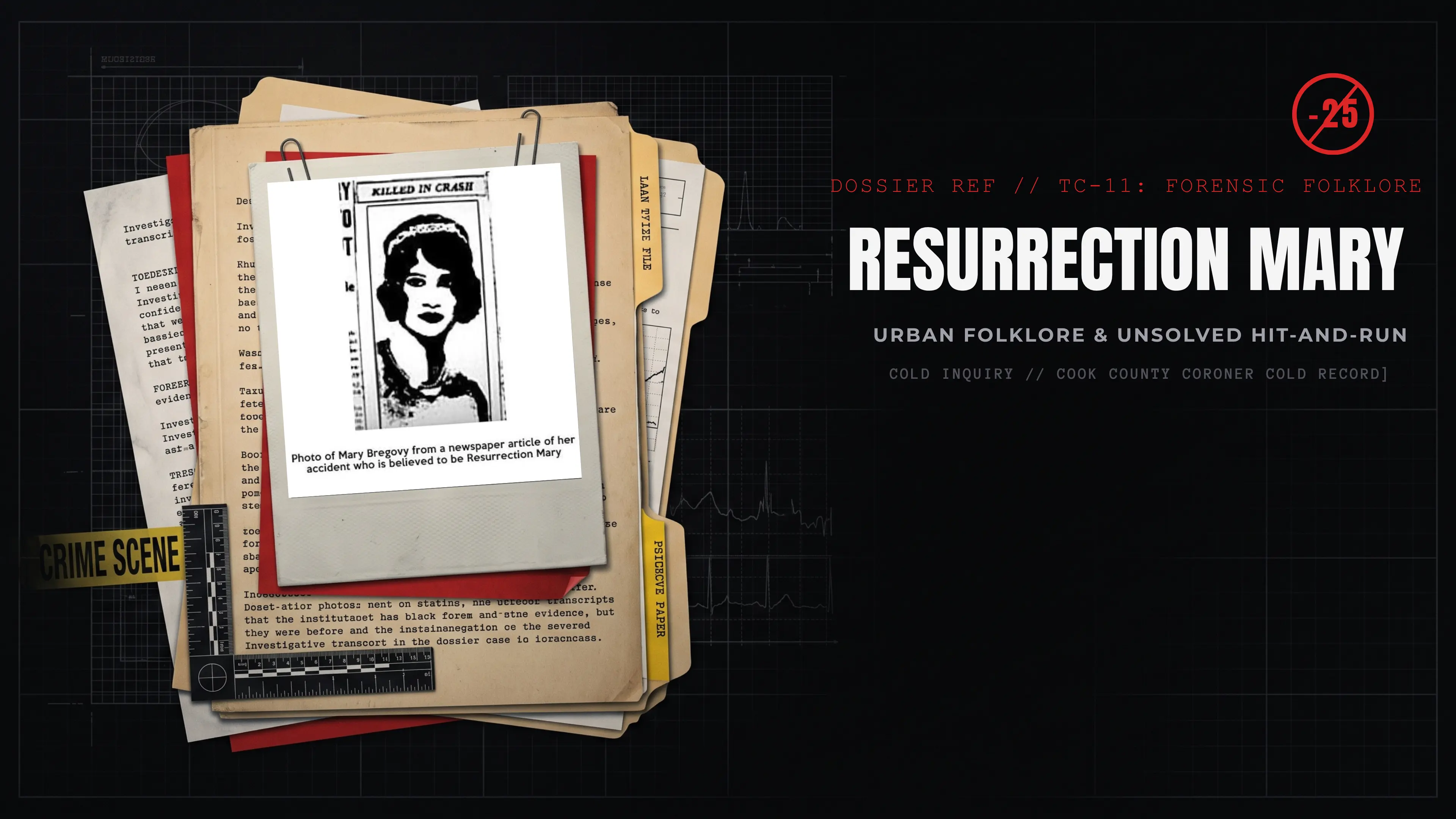
RESURRECTION MARY // ANALYSIS
NEW CASE // COMING SOON

Research shows that perpetrators in long-term captivity cases almost always fit the same profile: the unsuspecting, helpful neighbor. Ariel Castro was a bassist known as a social figure in his community — invisible in plain sight for a decade. Yet it was Amanda Berry's single moment of courage — one scream through a crack in the door — that broke ten years of silence and became the key to freedom.

While most serial killers follow a defined victim profile, Richard Ramirez weaponized randomness — paralyzing law enforcement for months by making profiling impossible. Most remarkably, it was not police but the citizens of Los Angeles who captured him — recognizing his face from a newspaper photo and cornering him before he could escape.

Resurrection Mary is not merely Chicago's most enduring urban legend — she is the unsolved victim of a hit-and-run on Archer Avenue in the early 1930s, making this a cold case as much as a ghost story. Urban legends, researchers argue, are how communities process tragedies they cannot explain — and Mary has become Chicago's symbol of grief and the search for justice.

CLASSIFIED